Instrument rating · Van Nuys Airport
Earn your instrument rating at Van Nuys.
Start, resume or finish your rating with one consistent CFII. Plan for two or three weekday lessons weekly at Van Nuys, subject to instructor and aircraft availability. Transfer students and pilots with a suitable aircraft are welcome.
$170/hr wet aircraft with a ten-hour block + $70/hr instruction. Standard aircraft rental: $180/hr wet. Instruction includes briefing and debriefing at $70/hr; ground-only instruction uses the same rate, with no double billing for the same time. Aircraft rates and availability are confirmed before booking.
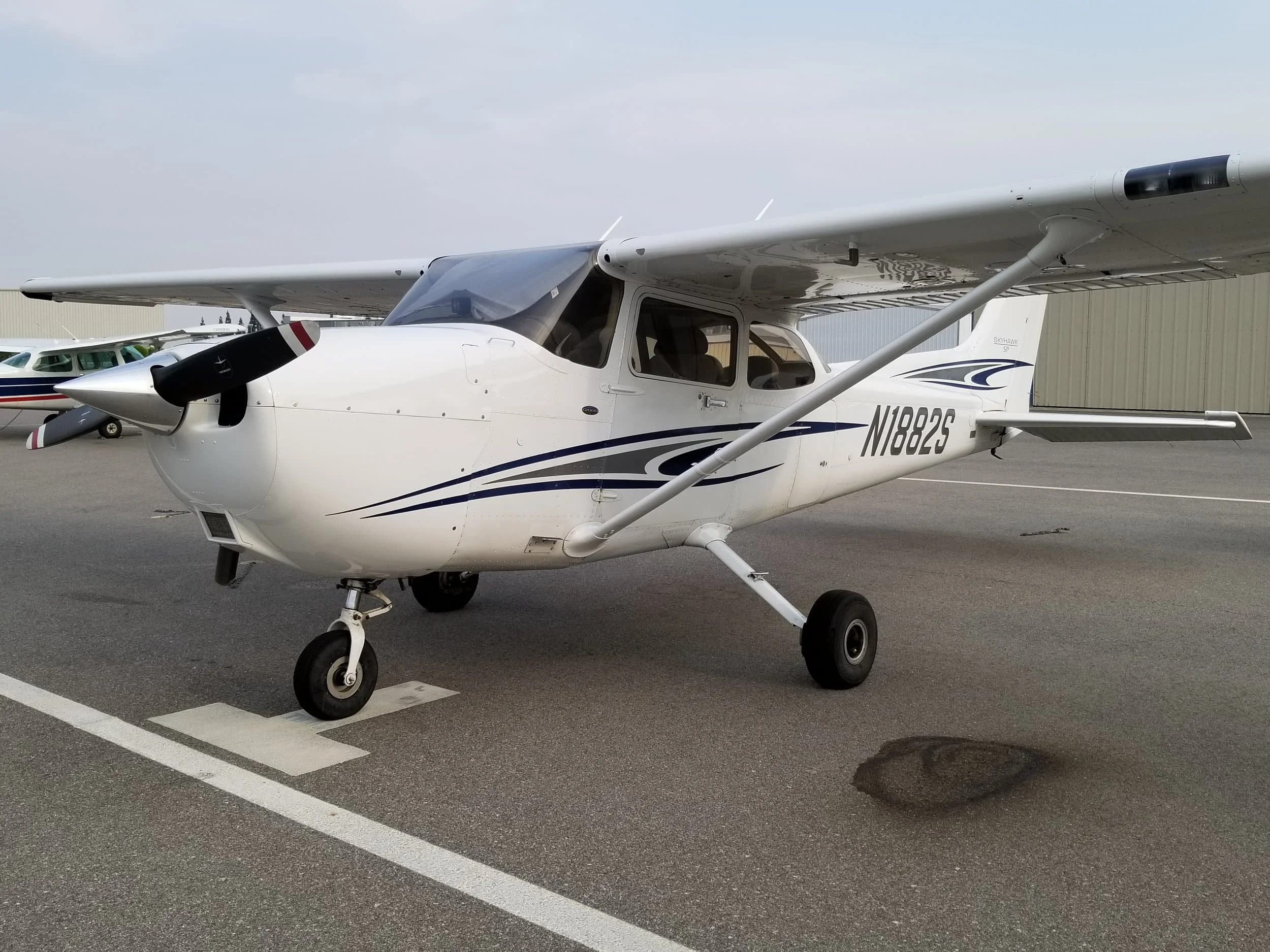
One-on-one CFII instruction
Garmin G1000 glass cockpit
Aircraft: $170/hr wet block rate
Instruction: $70/hr
Plan for 2–3 lessons weekly
Van Nuys Airport (KVNY)
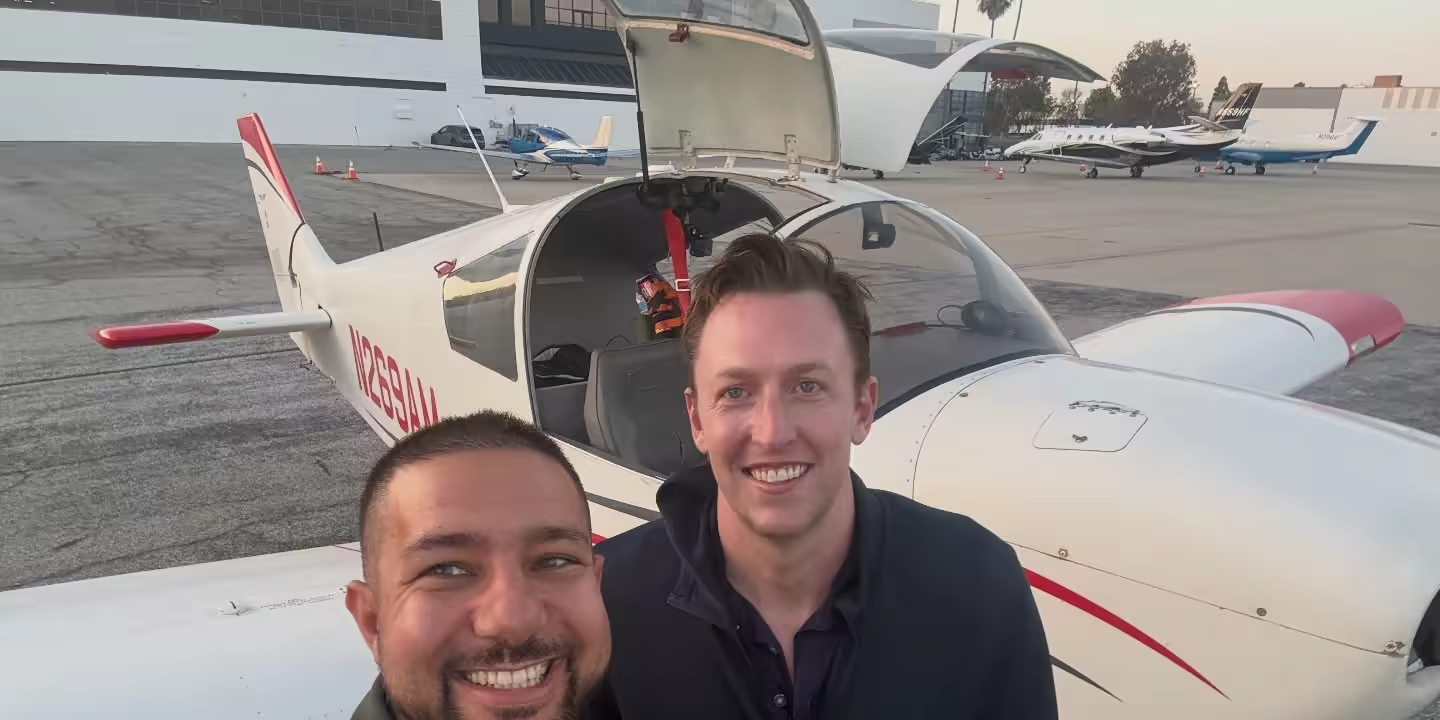
A student’s next chapter
Hitch earned his instrument rating.
A successful checkride after bringing aircraft control, procedures, weather judgment, and ATC communication together.
“He’s patient, knowledgeable, and explains things in a way that really makes sense.”
Jaqwon Mitchell · Google review Read the review
Ready to earn your rating?
Let’s build your instrument training plan.
Robbie will contact you to arrange a free conversation about your remaining requirements, aircraft options, schedule, and estimated costs. No obligation to book lessons—and you do not need your logbook in hand to get in touch.
Request your free consultation
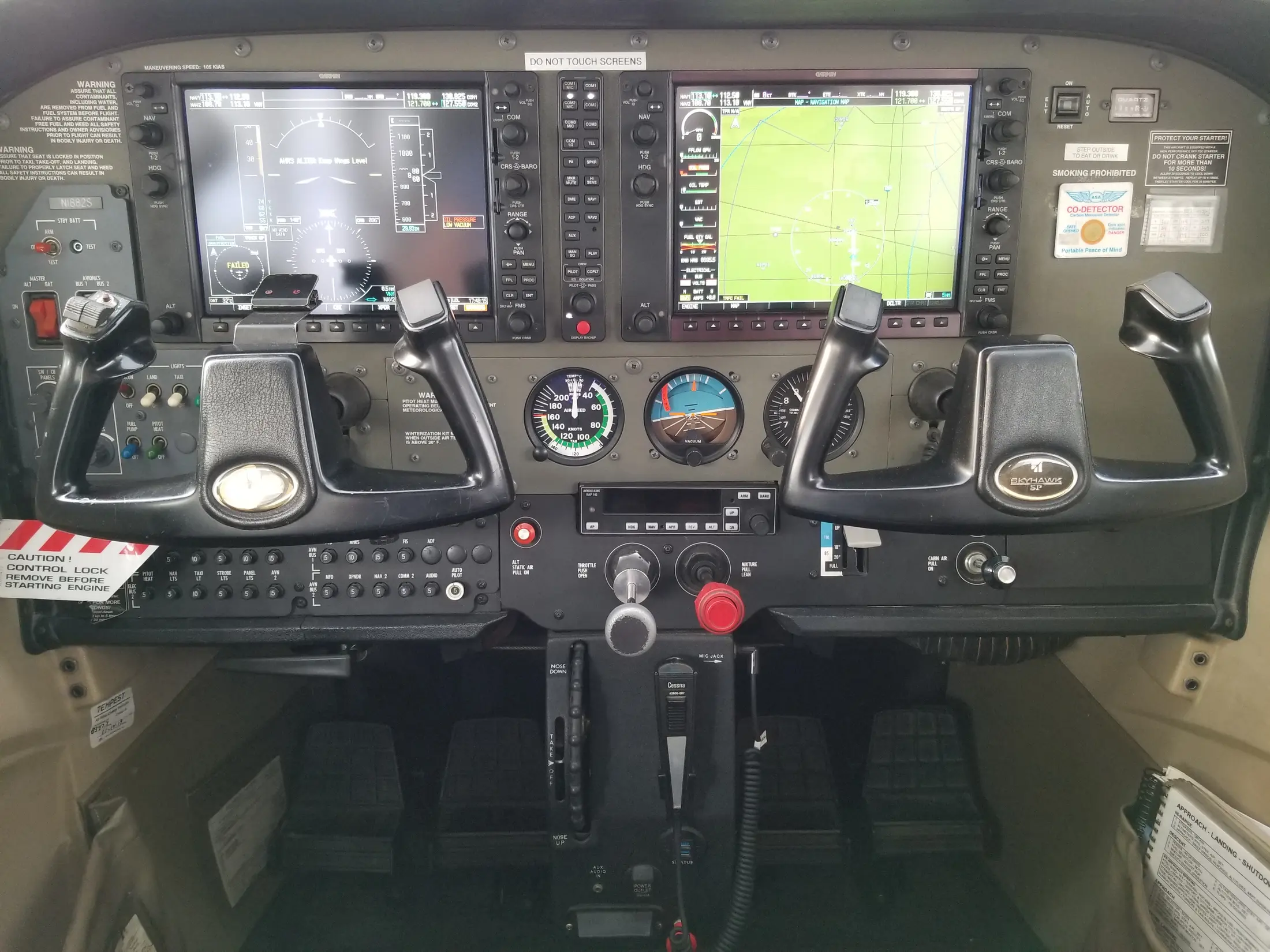
Train on the panel you’ll fly
Garmin G1000 glass cockpit
Build confident scan, automation, and approach-management habits in the airplane.
Instrument training in Los Angeles
Can you earn an instrument rating at Van Nuys?
Yes. Van Nuys is a practical base for instrument training because lessons begin inside the Los Angeles ATC system and can connect procedures, communication, weather, and workload management in the environment you will use after the checkride.
Training is available for pilots beginning the rating, pilots continuing from another instructor, aircraft owners who want training in a suitable airplane, and instrument-rated pilots returning for proficiency work or an IPC.
Why pilots train with Robbie
Real-world capability.
Personal instruction.
An instrument rating is one of the most valuable investments you can make in your safety, confidence, and utility as a pilot. Every lesson is designed to prepare you for the system you will fly in after the checkride.
Modern G1000 aircraft
Train in an IFR-equipped Cessna 172S with a Garmin G1000, building avionics habits that translate directly to modern cross-country flying.
One instructor from start to finish
Work with the same CFII throughout your rating, with lessons shaped around your experience, progress, and goals.
Train in real SoCal IFR
Practice weather analysis, clearances, ATC communication, approaches, and workload management in some of the country’s most dynamic airspace.
A consistent training schedule
Plan for two or three weekday lessons weekly at Van Nuys, with ground preparation between flights. Confirm a workable schedule and aircraft availability before booking.
A practical training sequence
What to expect before the checkride.
Every plan is adjusted after a logbook review and baseline assessment. The sequence below keeps the rating connected to real IFR flying rather than isolated tasks.
- 01
Eligibility and baseline
Review cross-country and instrument time, knowledge-test progress, aircraft access, avionics experience, schedule, and current proficiency.
- 02
Core instrument control
Build a stable scan, precise aircraft control, avionics workflows, clearances, intercepting and tracking, holds, and abnormal-procedure habits.
- 03
Approaches and complete IFR flights
Connect weather, alternates, departures, en route decisions, ATC communication, multiple approach types, missed approaches, and workload management.
- 04
Cross-country and checkride readiness
Complete remaining aeronautical experience, address weak areas, and demonstrate the knowledge, risk management, and flight proficiency required for endorsements.
Instrument training FAQs
Direct answers for Los Angeles pilots.
These are the questions pilots most often ask before beginning or resuming instrument training.
Can I complete instrument training at Van Nuys Airport?
Yes. Robbie provides one-on-one instrument training from Van Nuys Airport in G1000 and conventional-panel aircraft. Training can include local procedures, holds, approaches, cross-country IFR, weather decisions, and practical-test preparation in the Southern California system.
What are the main FAA prerequisites for an airplane instrument rating?
An applicant must hold at least a private pilot certificate, or apply concurrently, and meet the knowledge, training, endorsement, practical-test, and aeronautical-experience requirements of 14 CFR § 61.65. For an instrument-airplane rating, those experience requirements generally include 50 hours of cross-country PIC time and 40 hours of actual or simulated instrument time, including 15 hours with an instrument-airplane instructor and the required IFR cross-country.
How long does an instrument rating take?
There is no reliable one-size-fits-all timeline. Your starting instrument and cross-country time, lesson frequency, study progress, weather, aircraft availability, and proficiency all matter. A logbook review and initial flight produce a more useful estimate than an advertised fixed number of weeks.
How often should I fly during instrument training?
Plan for two or three weekday lessons each week at Van Nuys, subject to scheduling and aircraft availability, with preparation between flights. Tell Robbie your available days and times so you can discuss a sustainable plan.
What is the difference between a CFI and a CFII?
A CFI is a certificated flight instructor. A CFII is commonly used to describe a flight instructor who also holds instrument-airplane instructor privileges and may provide the instrument training required for an airplane instrument rating. Robbie holds both CFI and CFII privileges.
Can you help an instrument-rated pilot return to proficiency?
Yes. Training can be structured as targeted instrument proficiency work or, when required, an instrument proficiency check. The plan is based on recent experience, currency, aircraft, and the operations you expect to fly.