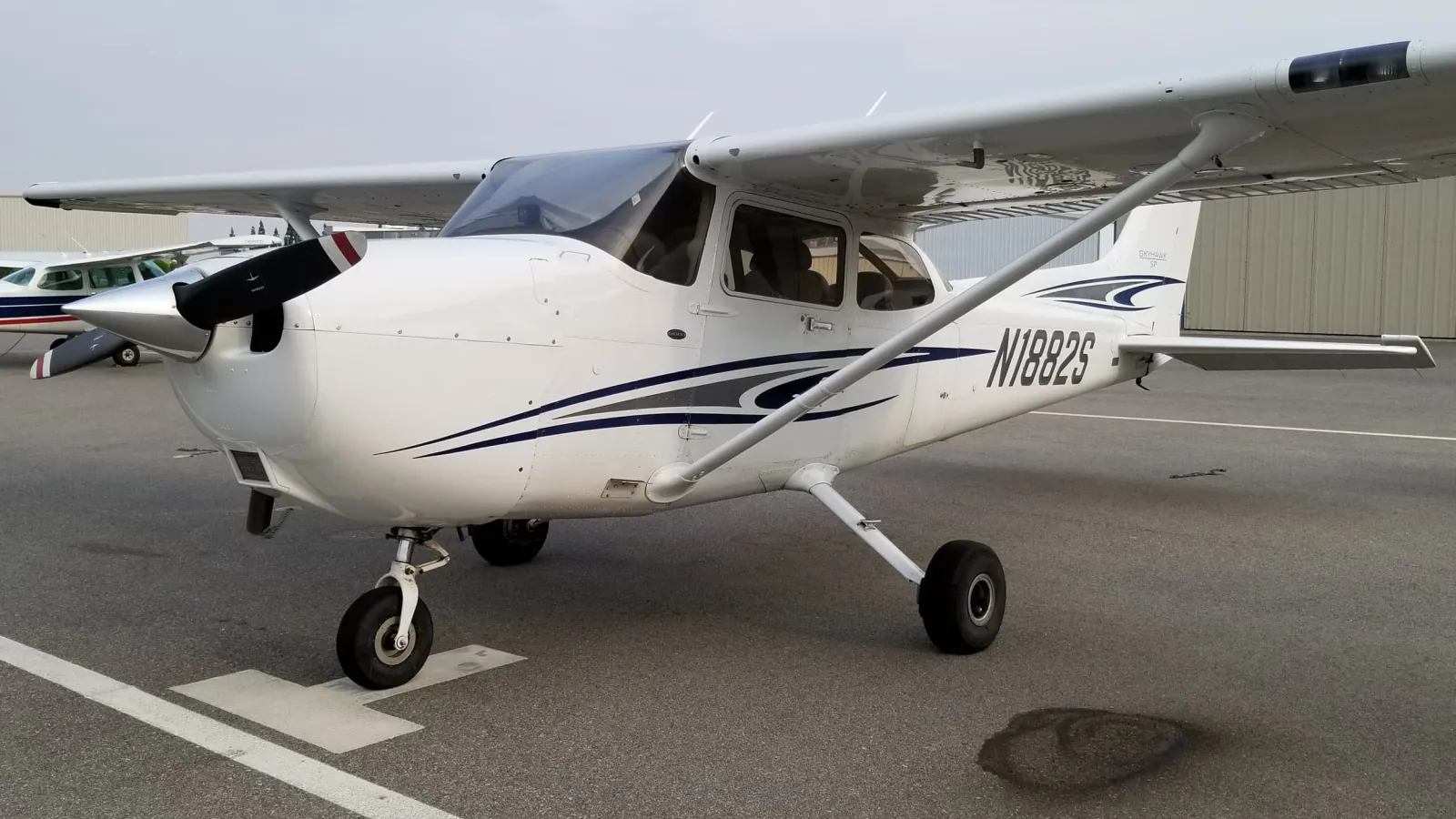
A cause-and-effect landing diagnostic for unstable approaches, airspeed, sight picture, flare timing, centerline control, crosswinds, bouncing, and productive debriefs.
Short answer
Most landing problems begin before the flare. An unstable pattern, incorrect airspeed, poor centerline alignment, or a late visual transition forces the pilot to solve several problems at once near the runway. Improvement comes from identifying the first error in the chain, practicing one variable at a time, and treating the go-around as a normal outcome when the approach is not stable.
Diagnose the approach before judging the touchdown
| Observed result | Likely earlier cause | Training focus |
|---|---|---|
| Long float | Excess speed, tailwind, late power reduction, or incorrect aiming point | Stabilized approach and speed discipline |
| Balloon | Abrupt pitch input or excess speed | Progressive roundout; go around after a significant balloon |
| Hard landing | High sink, late roundout, power change, or fixation | Energy awareness and outside visual transition |
| Side load | Drift not corrected or nose not aligned | Bank controls drift; rudder aligns the longitudinal axis |
| Bounce | Flat or nosewheel-first touchdown, excess speed, or forced landing | Correct attitude; go around when the bounce is not safely recoverable |
A stabilized approach removes variables
The airplane should be configured, on an appropriate flight path, aligned, and at the target speed early enough that short final is not a rescue attempt. The exact gate and tolerances depend on the aircraft, conditions, and training standard. If the approach is not becoming stable, the go-around should begin while plenty of runway and decision capacity remain.
At Van Nuys, spacing, wake turbulence, runway changes, and controller instructions can add workload. ATC clearance to land never requires accepting an unsafe approach. Tell the controller when you need a go-around, extended downwind, or clarification.
Airspeed is energy
Extra speed feels comforting but must be converted into float, runway use, or an abrupt maneuver. Too little speed reduces margin and can produce a high sink rate. Trim reduces the control pressure needed to hold the target; it does not replace active pitch and power management.
- Know the aircraft’s normal target speeds and how weight, gusts, runway, and procedures affect them.
- Use outside attitude and motion cues, then cross-check the indicator.
- Correct trends early instead of making large inputs near the ground.
The sight picture changes during the roundout
Students who stare near the nose have poor height and drift information. As the airplane enters the roundout, move the visual focus farther down the runway while using peripheral vision for height and alignment. The transition should be demonstrated from the actual seat position because cushions, posture, and eye height change what the pilot sees.
The flare is not one pull at a memorized height. It is a continuous adjustment that reduces descent and then maintains the landing attitude as energy dissipates.
Directional control is part of every landing
A soft touchdown off centerline or with the airplane pointed sideways is not a good landing. In a crosswind, aileron controls drift and rudder aligns the airplane. Control inputs normally increase as airspeed decreases, and wind correction continues through rollout.
A five-question debrief
- Was the traffic pattern and final approach stable?
- What was the airspeed trend—not only the number at one instant?
- Where were my eyes during the roundout?
- Did I control drift and alignment independently?
- What was the first error, and what one cue will I use on the next landing?
When repetition helps—and when it does not
Pattern repetitions help when the pilot knows what variable is being trained. Ten rushed landings with the same unstable setup only reinforce the error. Sometimes the better lesson is one demonstration, several approaches to a planned go-around, or slow-flight work that rebuilds pitch, power, and coordination away from the runway.
Students working toward solo can connect this diagnostic with the first-solo readiness guide and Private Pilot training at Van Nuys.
Frequently asked questions
Questions pilots ask about this topic
Why do I keep floating?
The most common reason is excess energy from speed, power, tailwind, or a high/steep correction. Diagnose the approach rather than trying to force the airplane onto the runway.
Should I add speed in every crosswind or gust?
Use the aircraft guidance and instructor judgment for the actual conditions. A blanket additive can create unnecessary float; wind direction, gust spread, runway, and aircraft procedure all matter.
When should I go around after a bounce?
When the bounce is significant, directional control is deteriorating, the next touchdown is uncertain, or the runway remaining is no longer comfortable. The aircraft procedure and instructor guidance control.
Primary references
Verify the controlling information
Regulations, procedures, avionics, weather, and airport information can change. Use the current official source for an actual flight or certification decision.