
Instrument Rating - Fly in the Clouds
Rent a G1000 Cessna 172 for $170/hr wet (10 hour block)
Instruction $70/hr
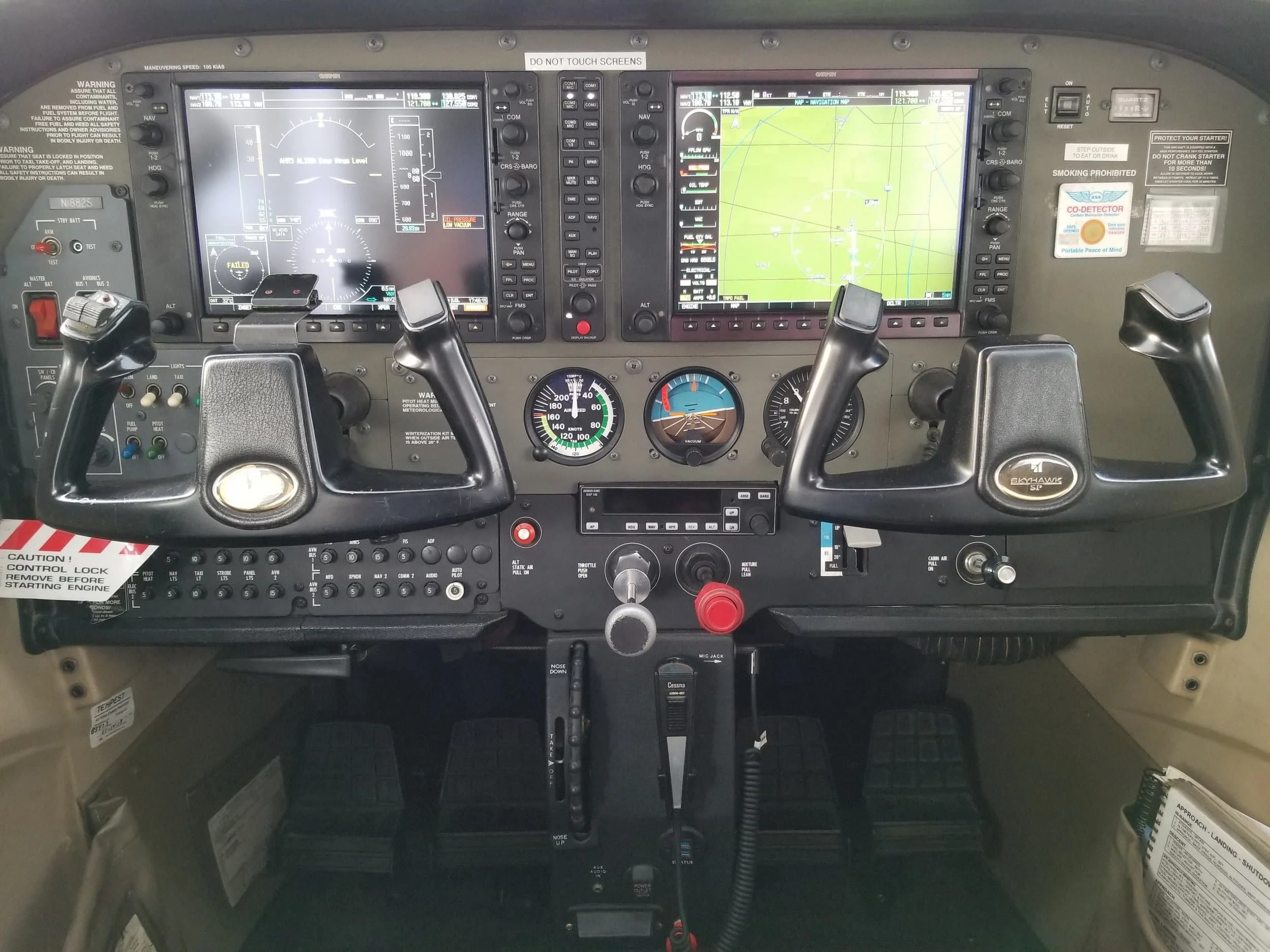
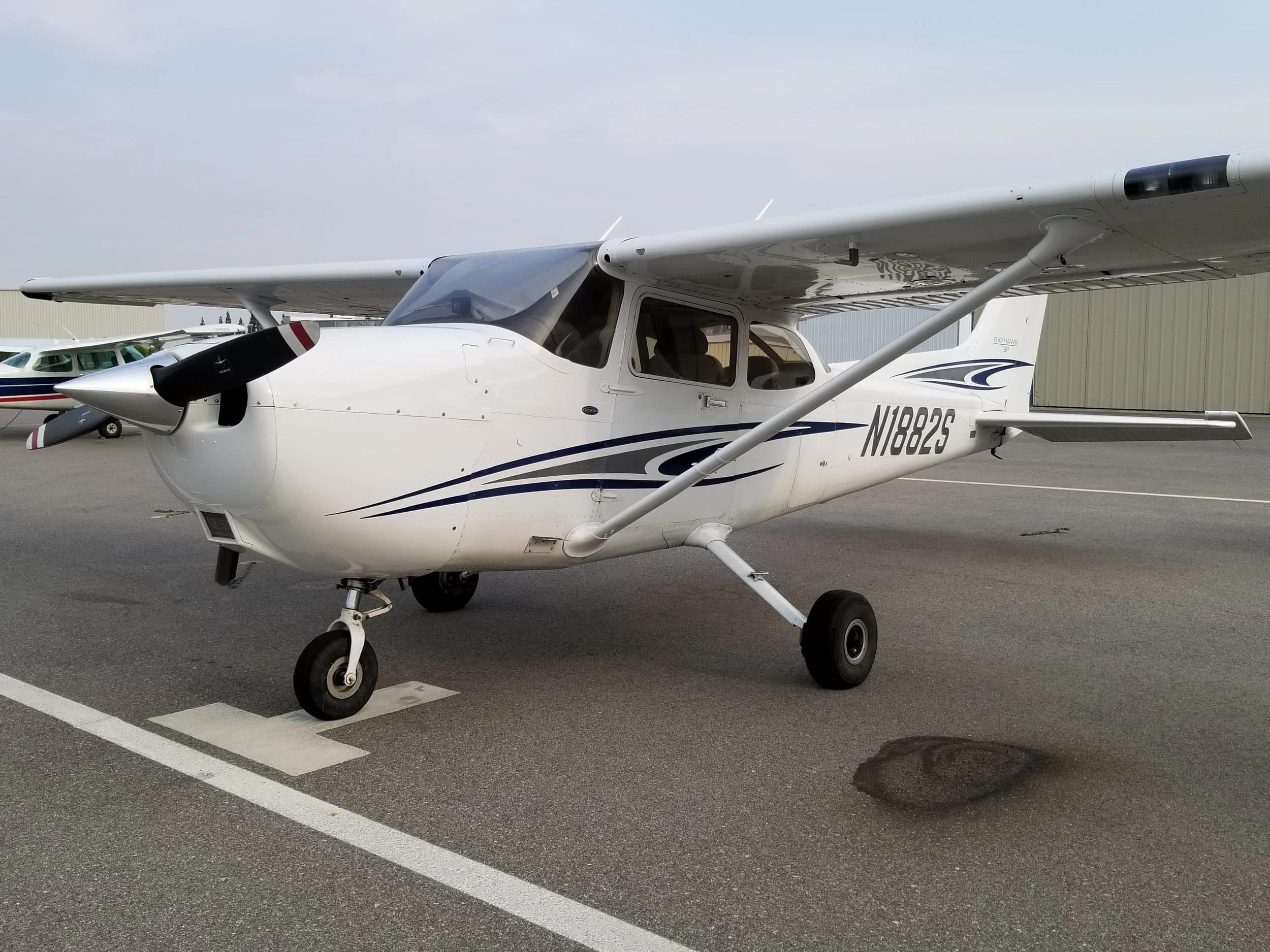
Master the Art of Precision Flying
The Instrument Rating (IFR) is widely considered the most important rating for pilot safety. While your Private Pilot License taught you to fly by looking outside, instrument training teaches you to fly solely by reference to your aircraft’s instruments. This advanced skill set allows you to fly through clouds, fog, and low visibility—conditions that would ground a VFR-only pilot.
As your dedicated instructor, I will guide you through this challenging but rewarding training, transforming you from a fair-weather flyer into a precision aviator capable of operating in the complex Los Angeles airspace, regardless of the marine layer.
Why Get an Instrument Rating?
Adding an Instrument Rating to your pilot certificate is a game-changer for your flying capabilities.
Enhanced Safety: Gain the skills to safely handle inadvertent encounters with poor weather, a leading cause of aviation accidents.
Real Utility: Stop canceling trips due to “June Gloom” or overcast skies. File an IFR flight plan and punch through the layer to clear skies above.
Career Progression: If you aspire to fly professionally, an Instrument Rating is mandatory. Airlines and charter operators require this level of precision and decision-making.
Insurance Benefits: Many aircraft insurance providers offer lower premiums to instrument-rated pilots due to their proven higher level of proficiency.
The Training Process: Earning Your IFR Ticket
Under FAA Part 61, our training will be flexible and tailored to your pace. Here is what is required to earn your rating:
1. Prerequisites
Before the practical test, you must hold a Private Pilot Certificate and have logged at least 50 hours of cross-country pilot-in-command (PIC) time. We can work on building this time concurrently with your instrument training.
2. Aeronautical Knowledge (Ground School)
You will dive deep into advanced aviation topics, including:
IFR Regulations: Understanding the rules of the system (FARs).
ATC Procedures: Mastering IFR clearances, holding patterns, and communications.
Meteorology: Advanced weather theory and interpreting reports (METARs, TAFs, PIREPs).
Navigation Systems: Proficiency with VOR, GPS, and ILS approaches.
3. Flight Experience Requirements
The FAA requires 40 hours of actual or simulated instrument time.
15 Hours of Dual Instruction: Minimum training with me as your authorized instructor.
One Long IFR Cross-Country: A 250-nautical-mile flight performing three different types of instrument approaches.
Approach Proficiency: You will master precision (ILS) and non-precision (RNAV/GPS, VOR) approaches.
4. The Checkride
The final step is the Instrument Practical Test. You will demonstrate your ability to plan a flight, file a flight plan, and execute approaches and emergency procedures safely under simulated instrument conditions.
Why Train for IFR with Me?
Instrument training is intense and requires a high level of trust between student and instructor.
Real-World Focus: I do not just teach you to pass a test; I teach you how to operate safely in the busy Southern California IFR system.
Scenario-Based Training: We will fly realistic profiles that challenge your decision-making skills, not just your stick-and-rudder ability.
Personalized Pace: Whether you want to knock it out quickly or spread lessons out, we build a schedule that ensures you retain knowledge and stay proficient.
Frequently Asked Questions (FAQ)
Can I combine my commercial and instrument training?
While they are separate ratings, the flight time you build during instrument training counts toward the total time required for your Commercial Pilot License. It is the most efficient way to build hours.
Do I need my own airplane?
No, you can rent an IFR-equipped aircraft for your training. However, if you own an aircraft, training in your own plane is highly recommended as it builds familiarity with your specific avionics suite.
How hard is the Instrument Rating?
It is often called the most difficult rating because it requires precise multitasking and a complete shift in how you interpret sensory information. However, it is also the most rewarding rating you will earn.
Elevate Your Flying Skills today
Do not let the weather hold you back. Take the next step in your aviation journey and become a safer, more capable pilot.